
As we age, keeping our brains sharp, our emotions balanced, and our spirits lifted becomes one of the greatest gifts we can give ourselves. The good news is that some of the most effective tools for doing exactly that are also among the simplest: mindfulness and meditation.
These two practices are closely related, and together they form a powerful foundation for a mindful retirement. Whether you’re brand new to both or you’ve dabbled in one or the other, this guide will walk you through what the research says, what these practices actually look like day-to-day, and how you can gently weave them into your life starting today.
What is Mindfulness & Meditation?
These two words are often used interchangeably, but it helps to understand how they relate.
Mindfulness is a quality of attention, a way of being present and aware in your day-to-day life, without getting caught up in regret about the past or worry about the future. It’s noticing the warmth of sunlight through the window, the taste of your morning tea, and the feeling of the ground beneath your feet on a walk. Mindfulness is something you can bring to almost any moment.
Meditation is a formal practice, a dedicated time you set aside to intentionally train and strengthen that quality of mindful attention. Think of mindfulness as the destination and meditation as one of the most effective vehicles for getting there.
For older adults, both are equally accessible and equally valuable. You don’t need any special equipment, prior experience, or fitness level. You just need a little curiosity and a willingness to start small.
Research Backet Benefits of Practising Regular Mindfulness For Seniors
Here’s what we know about the benefits of meditation and mindfulness for seniors:
Reduces Stress & Anxiety & Improves Mood
Chronic stress is one of the most significant threats to cognitive health as we age. When the body is under persistent stress, it produces elevated levels of cortisol, a hormone that, over time, can affect the hippocampus, the brain region most involved in forming and retrieving memories.
Mindfulness and meditation work directly to calm this stress response. A 2024 randomised controlled trial published in BMC Public Health found that Mindfulness-Based Stress Reduction (MBSR) was an effective strategy for reducing anxiety and improving emotion regulation in older adults, helping them respond to difficult feelings with greater awareness rather than automatic reactivity.
A review published in Alzheimer’s Research & Therapy further confirms that meditation reduces stress, anxiety, depression, and feelings of loneliness in older adults. The mood benefits are just as meaningful: many people who develop a regular mindfulness practice describe feeling more emotionally grounded, more grateful, and better able to bounce back from difficult days.
Improves Sleep
Quality sleep is essential for brain health; it’s when memories are consolidated, and the brain clears cellular waste. Yet sleep difficulties are particularly common among older adults, making this one of the most valued benefits of mindfulness practice.
A landmark randomised clinical trial published in JAMA Internal Medicine found that older adults with moderate sleep disturbances who participated in a mindfulness awareness program showed significantly greater improvements in sleep quality compared to those who received sleep hygiene education alone. They also experienced reductions in insomnia symptoms, fatigue, and depression.
Improves Concentration, Memory, & Cognitive Function
One of the most encouraging areas of mindfulness/meditation and brain health research concerns its effects on the ageing brain. Attention, memory, and processing speed are all areas where regular practice appears to make a real difference.
A randomised controlled study published in Frontiers in Aging Neuroscience found that an 8-week mindfulness training program improved both memory and attention in healthy older adults, with neuroimaging showing strengthened connectivity between the hippocampus, the brain’s memory centre, and other key cognitive regions.
At a biological level, a 2021 study published in Scientific Reports found that MBSR improved cognitive function scores in adults aged 65 and over, with changes linked to measurable shifts in neurological markers, suggesting that mindfulness doesn’t just feel beneficial; it may actually support the brain’s structure and function over time.
Helps Manage Chronic Pain
Many older adults live with some degree of chronic pain, whether from arthritis, back issues, or other conditions, and it can quietly erode quality of life and emotional wellbeing over time. Mindfulness offers a genuinely helpful, drug-free approach to changing our relationship with pain.
A comprehensive systematic review and meta-analysis published in the Annals of Behavioural Medicine, drawing on 38 randomised controlled trials, found that mindfulness meditation was associated with reductions in pain intensity and improvements in depression and quality of life among chronic pain sufferers.
Notably, a RAND Corporation systematic review found high-quality evidence that mindfulness meditation significantly reduced depressive symptoms in people managing chronic pain, a reminder that pain and emotional wellbeing are deeply interconnected, and that caring for the mind is also a way of caring for the body.
The mechanism is worth understanding: mindfulness doesn’t eliminate pain, but it changes how we relate to it. By cultivating a calm, non-reactive awareness of physical sensations, the distress and anxiety that often amplify pain can soften, leaving people feeling more in control and more at ease in their own bodies.
Beginner-Friendly Mindfulness Activities for Retirees
The beautiful thing about mindfulness and meditation is how many forms they can take. Here we have come up with some gentle, accessible meditation techniques for older adults:
Simple Breathing Exercises
This is the foundation of most meditation practice, and it’s wonderfully simple. Some of our favourite breathing exercises are:
- Diaphragmatic “Belly” Breathing: Sit or lie down in a comfortable position. Place one hand on your chest and the other on your belly. Inhale slowly through your nose. Try to make the hand on your belly rise, while the hand on your chest stays relatively still. Exhale gently through your mouth, letting your abdomen sink. Repeat for 2-3 minutes.
- Box Breathing: Inhale through your nose for a count of four. Hold your breath for a count of four. Slowly exhale through your mouth for a count of four. Hold your breath, keeping your lungs empty, for a count of four. Repeat the sequence as needed.
Body Scanning
Sit or lie in a comfortable position, and begin by taking a few deep breaths. Direct your attention to your face, then travel downward to your neck, shoulders, chest, arms, hands, feet, and toes. As you do, notice how each part of your body feels in this moment, whether there is tension, warmth, tingling, or ease. Do so without judgment, simply acknowledging whatever is present.
Gratitude Journaling
Taking a few minutes each day to write down what you’re grateful for is one of the simplest and most uplifting mindfulness practices there is. It gently trains the mind to notice and linger on the good, the small joys, the kind moments, the things that are easy to overlook when life gets busy. You don’t need to write pages; even three or four genuine observations each morning or evening can shift your emotional outlook over time.
Guided Meditation
If sitting in silence feels a little daunting at first, guided meditation is a wonderful place to start. A calm voice leading you through a breathing exercise, a visualisation, or a body scan makes the practice feel accessible and supportive rather than intimidating. You can find guided sessions through apps like Calm and YouTube.
Chair Yoga
Chair yoga combines mindful movement, gentle stretching, and intentional breathing, making it one of the most well-rounded mindfulness practices available and ideal for those who prefer to stay seated or need extra support with balance. Each slow, deliberate movement is paired with breath awareness, keeping the mind present and the body at ease.
How to Incorporate Mindfulness Practices in Your Day-to-Day
Incorporating mindfulness into your daily life doesn’t have to be complicated or time-consuming. Here’s how to make mindfulness a natural and sustainable part of your everyday routine:
- Start slow and build up gradually, as even just 5 minutes of mindful breathing each morning is a meaningful place to begin.
- Don’t feel disheartened if you find that a specific mindfulness practice doesn’t work for you. Everyone is different, and there are many approaches to explore, from guided meditation to mindful walking to journaling, until you find what resonates.
- Attach mindfulness to habits you already have, like brewing your morning coffee, washing dishes, or commuting, which can all become moments of presence simply by giving them your full attention.
- Be consistent rather than intense. A short daily practice will serve you far better than occasional long sessions. Think of it like exercise; regularity is what builds the muscle.
- Let go of the idea that you’re doing it wrong. A wandering mind isn’t failure; the simple act of noticing that your mind has wandered and returning your focus is the practice itself.
- Track how you feel over time. Keep a brief journal or note on your phone after each session. Over weeks, you’ll likely notice shifts in your mood, sleep, and stress levels that reinforce the habit.
How to Cultivate a Mindful Retirement
Mindfulness and meditation are powerful practices, and other healthy lifestyle choices beautifully complement their benefits. Think of them as one important thread in a larger tapestry of wellbeing.
- Social Connection is one of the strongest predictors of cognitive health and longevity. Genuine human interaction, sharing conversation, laughter, and a sense of belonging, nourishes the brain in ways that nothing else quite replicates.
- Regular Movement: Whether that’s walking, swimming, gentle yoga, tai chi, or dancing, improves blood flow to the brain, lifts mood, and has a well-established link to reduced cognitive decline.
- Quality Sleep gives the brain the rest it needs to consolidate memories and restore itself. A short mindfulness practice before bed can be a beautiful bridge into restful sleep.
- Nourishing Food: A diet rich in vegetables, whole grains, healthy fats, and lean protein gives the brain the steady fuel it needs to function well.
Mindfulness itself can enrich all of these areas. Eating mindfully, moving mindfully, connecting mindfully, bringing presence and awareness to the things we already do every day, is one of the simplest and most profound ways to care for our minds.
How The Village Retirement Group Supports Mindful Living
At The Village Retirement Group, mindful living isn’t just encouraged, it’s woven into the very fabric of daily community life. From purpose-built spaces to a rich calendar of activities, every aspect of the community is designed to help residents slow down, stay present, and thrive.
- Encourages You to Stay Active: With an impressive catalogue of world-class amenities and fitness classes, including a heated swimming pool, yoga classes, a state-of-the-art bowling green, and more, residents have everything they need to move their bodies, clear their minds, and maintain a healthy, active lifestyle.
- Encourages You to Stay Social: A vibrant calendar of social groups, including book club, board game nights, choir, and so much more, ensures residents always have opportunities to connect, laugh, and build meaningful relationships with those around them.
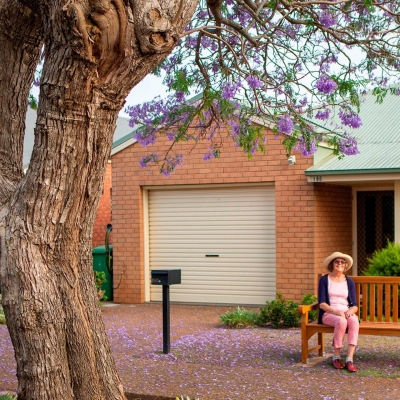
- Enjoy a Peaceful, Natural Environment: Every community is thoughtfully nestled within calm, nature-filled surroundings, encouraging a gentle pace of life that naturally invites a more mindful way of moving through each day.
If you would like to learn more about how The Village can support you during your retirement, or would like to book a tour, please don’t hesitate to get in contact with our friendly team.