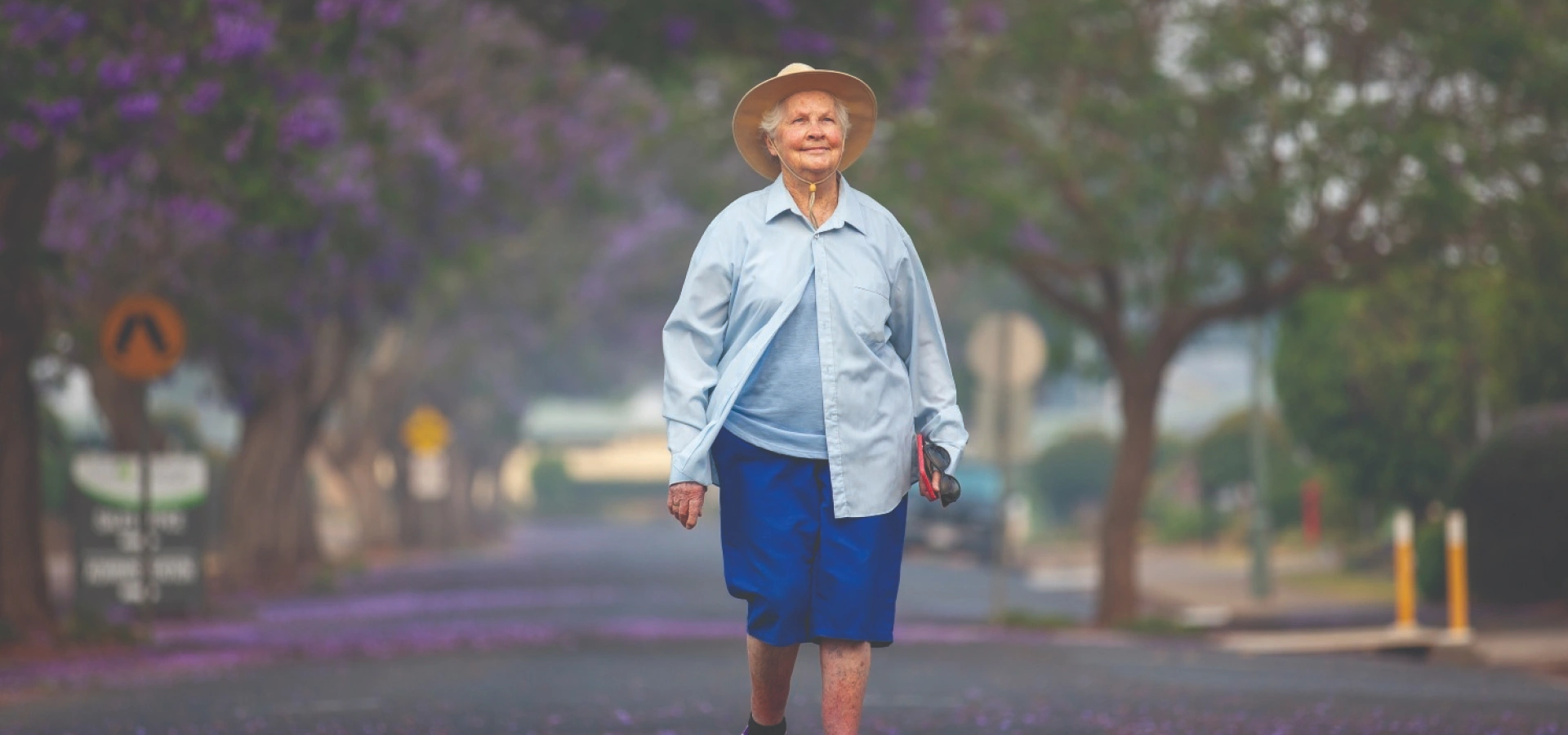
As we transition into our retirement years, our priorities naturally shift. We trade the daily grind of the workplace for the freedom to choose how we spend our hours. However, one desire remains constant across generations: the wish to remain self-reliant, active, and in control of our own lives.
Understanding how to stay independent and avoid aged care for as long as possible is not just about avoiding assistance; it is about protecting your quality of life, preserving your dignity, and ensuring that your hard-earned retirement is spent on your own terms.
And despite what they say, growing older doesn’t have to mean giving up the freedom, routines and lifestyle you love. With the right habits and a little planning, it’s entirely possible to stay independent, active, and in control of your own life well into your senior years.
This guide covers our top tips for improving independence in older age, from daily health habits to smart environmental choices so that you can enjoy retirement on your own terms.
Importance of Maintaining Independence During Retirement
Retirement is widely considered the golden chapter of life, a time for travel, hobbies, and making lasting memories with family. Yet, the fulfilment of this chapter relies heavily on your personal autonomy. When you maintain your self-sufficiency, you aren’t just managing day-to-day tasks on your own; you are actively protecting your mental health, self-esteem, and sense of purpose.
Losing independence prematurely can lead to feelings of helplessness and isolation. Conversely, consciously practising healthy habits for independent living yields profound benefits for retirees:
- Greater confidence and sense of control over daily life
- Stronger mental and physical health outcomes
- Continued connection to community, friends and family
- Reduced reliance on others for everyday tasks
- More time before higher levels of care are needed
The good news is that independence isn’t something that simply happens to you; it’s something you can actively build and protect through consistent, healthy choices.
Top Tips to Maintain Independence in Older Age
There’s no single secret to staying independent later in life. Instead, it’s the combination of small, sustainable habits across your physical health, mental stimulation, social life, and living environment that makes the biggest difference.
Below are some of the most effective tips to maintain independence in older age, drawn from what we see time and again in thriving retirement communities.
Exercise Regularly
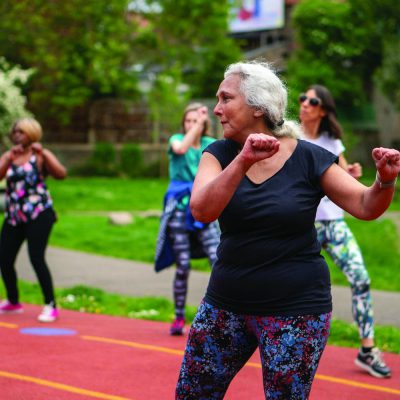
Explain how regular exercise, mobility and strength training support long-term independence and overall wellbeing. The Australian Government’s physical activity recommendations for older adults recommend a mix of aerobic, strength, balance, and flexibility activities most days of the week, noting that each type of exercise offers its own benefits for health and independence.
This matters because falls are a genuine risk for maintaining mobility in older age. According to the Australian Institute of Health and Welfare (AIHW), falls are the leading cause of injury-related hospitalisation among older Australians, and people aged 65 and over are far more likely to be hospitalised due to a fall than younger age groups.
The encouraging news is that targeted exercise can help: Queensland Health reports that strength- and balance-focused exercise programmes can reduce falls in older adults by around 17%, and that balance-focused training, in particular, has been shown to lower fall risk.
Regular movement is also one of the most reliable ways to stay active in retirement socially and mentally; group classes, walking groups and community sport combine exercise with connection.
Eat Well
Nutrition plays an important supporting role in maintaining energy, strength, and general wellbeing as you age. The Eat for Health guidelines note that older people should eat nutritious foods and stay physically active to help maintain muscle strength and a healthy weight, and that it remains important to eat widely across all the food groups, even as appetite, budget or cooking habits change with age.
The same guidance points out that priorities can shift later in life; for example, some older people benefit from carrying a little extra weight, and cutting back too far on foods to limit fat, salt or sugar can occasionally increase the risk of malnutrition rather than prevent it. It also highlights that many older people need more fibre and fluid to support healthy digestion, as bowel function naturally slows with age.
Because individual nutritional needs vary, particularly for those managing chronic conditions, it’s best to speak with your GP or an accredited practising dietitian for advice tailored to your circumstances, rather than following generic diet rules.
Manage Your Health
Proactively managing your health is one of the most effective healthy habits for independent living. The Queensland Health falls prevention guidance highlights that health conditions such as dizziness, diabetes or arthritis can increase the chance of a fall, and recommends working with your doctor to manage these conditions and reviewing medications regularly, as some can cause dizziness or drowsiness.
Key areas worth staying on top of include:
- Regular check-ups with your GP, optometrist, dentist, and audiologist
- Ongoing management of chronic conditions in partnership with your healthcare team
- Periodic medication reviews with your doctor or pharmacist
- Good quality sleep, which supports overall health and daily functioning
Staying engaged with your own healthcare, rather than waiting until something feels wrong, is one of the clearest ways to stay independent as you age and reduce the likelihood of needing higher levels of support.
Engaging in New Hobbies & Brain Stimulating Activities
Keeping your mind active alongside your body is widely recommended as part of healthy ageing. Dementia Australia explains that your brain can keep growing and changing at any age, just like your body. Giving your brain a workout (by engaging in new hobbies or mentally stimulating activities) helps create new brain cells and strengthens the links between them. This builds up a kind of “buffer,” helping your brain keep working well even as it naturally loses some cells over time.
Lifelong learning, creative pursuits, and mentally engaging hobbies also give your week structure and a genuine sense of purpose and identity, both of which are closely linked to confidence and independence.
Consider incorporating activities such as:
- Puzzles, reading, or trivia
- Learning a new skill, language or musical instrument
- Creative outlets like painting, woodworking or craft
- Volunteering or mentoring, which combines purpose with stimulation
While there’s no guarantee that mental exercise will prevent dementia, keeping the mind consistently challenged through hobbies like these is a genuine, practical way to help protect brain health as you age. Since cognitive decline is one of the leading reasons older Australians eventually need higher levels of support, these pursuits do more than foster a fulfilling day-to-day life; they’re also among the most meaningful everyday habits for protecting independence and delaying the need for advanced care.
Stay Social
Isolation is one of the more significant, and sometimes overlooked, risks to healthy ageing. Why? Well, research published in the Medical Journal of Australia has linked loneliness and social isolation in older age to a higher risk of conditions including heart disease, stroke, diabetes, dementia, and depression- all risk factors that can chip away at your physical and cognitive health and ultimately, your independence.
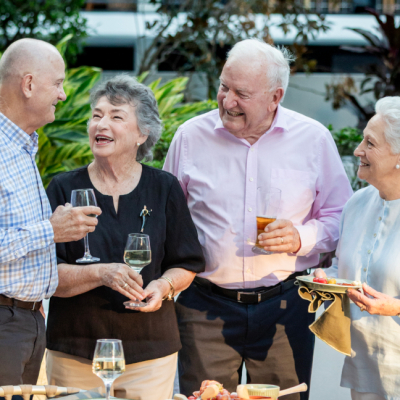
The good news is that staying socially connected doesn’t need to be complicated, and small, regular efforts to engage with others can make a real difference to both mental and physical health. NSW Government health guidance notes that getting active with others is a great way to stay connected, and that social connection supports wellbeing as you age.
Ways to stay socially engaged include:
- Joining local clubs, interest groups, or community classes
- Scheduling regular catch-ups with family and friends
- Participating in group activities such as walking groups or book clubs
- Getting involved in community or volunteer initiatives
A vibrant social life is one of the simplest yet most effective healthy habits for independent living; it keeps you engaged, supported, and connected to the people around you.
Futureproof Your Home and Keep It Low Maintenance
Your living environment has a real, practical impact on how easily you can maintain independence, both today and as your needs change over time. Queensland Health’s fact sheet titled ‘Healthy active ageing for seniors’ points to specific home factors that increase risk, including clutter, trip hazards, poor lighting and difficult layouts, and notes that creating a safer home is one of the most direct ways to reduce your chance of a fall.
Futureproofing your home means looking beyond your needs right now and thinking ahead to how you’ll want to live in five, ten or twenty years. A home that suits you perfectly today can quietly become harder to manage as mobility, energy or health change, so it’s worth addressing potential obstacles while you’re still active, rather than waiting until a fall or health scare forces a rushed decision.
Age-friendly home features worth considering include:
- Single-level living or minimal stairs
- Low-maintenance gardens or outdoor spaces that won’t become a burden over time
- Good lighting and clear, clutter-free walkways
- Handrails and accessible bathroom fittings where needed
- Proximity to essential services, healthcare, and public transport
How The Village Retirement Group Supports Active, Independent Ageing
At The Village Retirement Group, we understand that independence looks different for everyone, but the fundamentals remain the same: security, support, and the freedom to live life your way.
- Low-Maintenance Living: With gardening, exterior upkeep, and home maintenance taken care of, residents can spend their time enjoying retirement rather than managing a household.
- Lifestyle Amenities: From community centres and recreational facilities to organised activities and events that support both physical and mental engagement
- Vibrant Social Communities: With like-minded neighbours, clubs and regular social opportunities that make it easy to stay connected.
- Safe, Age-Friendly Design: Homes and communities designed with accessibility and everyday ease in mind.
- Flexibility and Choice: The security of a supportive community, without compromising on independence or privacy.
Reach Out to The Village
Maintaining independence in older age comes down to a combination of staying physically active, eating well, managing your health, keeping your mind engaged, nurturing social connections, and choosing a living environment that works with you, not against you. Together, these habits form a strong foundation for staying independent as you age and enjoying a fulfilling, active retirement.
Planning ahead is one of the most powerful steps you can take. If you’re ready to explore a lifestyle that supports independence, community, and peace of mind, we’d love to help you find the right fit. Get in touch with The Village to learn more about our communities and how they can help you live an active, independent life on your terms.