For many people, the family home is much more than a structure of bricks, mortar, and timber. It is a living archive of a life beautifully lived. It is the height chart marked on the kitchen doorframe, the garden planted to commemorate a special anniversary, and the rooms that echoed with decades of laughter, milestones, and family dinners.
When the time comes to consider retirement living, it is completely normal to feel hesitation. Transitioning to a new community is an exciting step toward a more manageable lifestyle, but it is also a major milestone that naturally comes with mixed emotions. Acknowledging the grief of leaving your home in retirement isn’t a sign that you are making the wrong decision; it is a healthy, natural part of saying goodbye to one beautiful chapter so you can fully open the door to the next.
1. The Emotional Impact of Downsizing: Why We Feel Grief
Often, we focus so heavily on the physical logistics of moving that the emotional impact of downsizing catches us by surprise.
Why We Rest Our Identity in Our Walls
Our homes often become deeply intertwined with our personal identity. Over thirty or forty years, a house becomes a security blanket. When you think about leaving, it can feel as though you are leaving behind the person you were when you raised your children, hosted celebrations, or built your career.
Experiencing sadness, uncertainty, and deep nostalgia during this transition is an entirely human response. Give yourself permission to grieve the end of this era. Mourning the loss of a familiar space does not diminish the excitement of what lies ahead; the two feelings can coexist.
2. Preparing Emotionally for Retirement Living
A successful move begins long before the packing boxes arrive. Taking the time to prepare yourself emotionally allows you to process the transition at a gentle, manageable pace.
Allow Yourself Time to Reminisce
Rushing through a lifetime of memories can feel jarring. If possible, give yourself a window of several months to slowly go through your belongings. Hold an object, remember the story behind it, and decide whether it belongs in your next chapter or if it’s time to pass it on.
Involve Your Family in the Transition
Talk openly with your loved ones about how you are feeling. Invite them over for a final, memory-sharing dinner in the family home. Sharing these moments out loud often takes away the sting of the goodbye, transforming the physical move into a shared family milestone. If you are a family member supporting a loved one through this, our guide on supporting senior parents when downsizing offers great strategies for navigating this time.
3. Practical Ways to Preserve Your Precious Memories
One of the greatest reassurances when learning how to cope with leaving your family home is realising that your memories do not live in the drywall; they live inside you. You can take them wherever you go.
- Create a Memory Book: Before you pack, take photos of your favourite rooms, the view from your porch, or the garden in full bloom. Compile these into a beautiful custom photo book for your new coffee table.
- Take a Piece of the Past: If there is a specific rose bush you love, take a cutting to plant in a pot for your new space. Keep small, highly sentimental keepsakes like old letters, travel souvenirs, or family heirlooms that give you joy.
- Gift with Purpose: Knowing your treasured belongings will go to a grandchild starting their first home or to a local charity can be very comforting. It reframes “getting rid of things” into a meaningful act of legacy-building.
4. Turning the Page: The Renewed Freedom Waiting for You
While it’s vital to honour your grief, it is equally important to look forward to the new benefits that await you on the other side of the move. Downsizing for retirement is, at its heart, an act of liberation.
By stepping away from the physical and financial burdens of maintaining a property, you instantly reclaim your time and energy. You trade tedious home upkeep for manicured community gardens, resort-style swimming pools, on-site cafes, and private cinemas. It is a proactive step toward protecting your long-term health, physical vitality, and overall peace of mind.
5. Making Your New Surroundings Feel Like Home
When you first walk through the door of your new retirement villa or apartment, it might feel a bit unfamiliar. With a few intentional habits, your new space will quickly transform into your comforting home.
Establish Familiar Routines
Set up your day to mimic the rhythms that bring you comfort. If you always enjoyed a morning coffee while reading the news on your old patio, set up a comfortable chair on your new balcony to do the same thing. Bringing your favourite furniture pieces and hanging familiar artwork right away creates an instant sense of continuity.
Balance Privacy with Connection
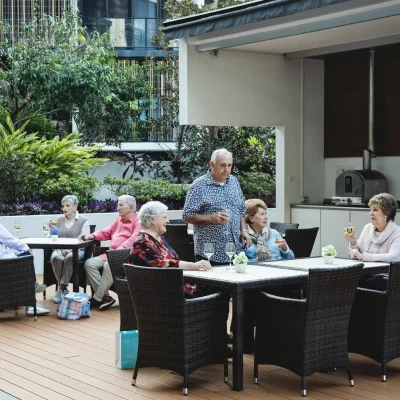
Moving into a retirement community like The Village does not mean giving up your independence or your existing relationships. Your old friends and family members are always welcome to visit, swim in the pool, or join you for lunch at the café.
When you feel ready, look for opportunities to build new connections. Go to a happy hour, join a resident-run gardening club, or say hello to your new neighbours during an evening stroll. Surrounding yourself with peers who understand this stage of life is one way to build a secure, supportive environment.
Your Invitation to Redefine Home at The Village
A specific street address does not define home. Home is a feeling of safety, connection, and peace. While leaving your home in retirement can be an emotional journey, embracing this change is a great way to future-proof your independence. By stepping forward with a gentle heart, preserving your past, and opening yourself up to the warmth of a connected community, your retirement years can be filled with new adventures, deeper friendships, and a profound sense of wellbeing.
Are you preparing emotionally for retirement living? We are here to support you through every stage of the transition. Contact the friendly team at The Village today to chat about our supportive communities.