Retirement marks the close of one chapter and the opening of a new one filled with plenty of exciting opportunities. After dedicating your life to family, work, or both, retirement finally gives you the time and space to rediscover yourself and what you love. Whether it’s travelling, moving house, or pursuing new hobbies, in retirement, the only schedule that matters is the one you create for yourself.
More Than Just Killing Time – 6 Benefits of Hobbies for Seniors in Retirement
Without a 9-5, you may find it difficult to fill your time, and you may quickly become bored without the daily routine you’ve relied on for decades. Retirement hobbies help to minimise the risk of boredom, but can also help you with:
Stress Relief & Relaxation
If you’ve ever felt an immediate sense of relief upon starting a favourite pastime, whether it’s knitting a row or lining up a shot at the pool table, you’re in good company. Recent research suggests that engaging in activities or hobbies can reduce stress, especially those like writing, painting, or knitting, which effectively quiet the mind by demanding mindful concentration.
Provides Mental Stimulation
Hobbies that require learning, such as picking up a new instrument or practising a new language, can help build brain elasticity by stimulating the growth of neural pathways and strengthening cognitive functions, including memory and attention span.
Research shows that learning new hobbies, in addition to regularly engaging in mentally stimulating activities such as reading, writing, playing board games, and doing arts and crafts, can also reduce the risk of cognitive decline by keeping the mind active and agile.
Reduces Loneliness & Social Isolation
Engaging in hobbies, especially those in social settings such as a book club, choir, walking group, or fitness class, is a gateway to making new friendships with individuals who share your interests. Even solo activities such as gardening, painting, or knitting offer a therapeutic outlet that can act as a form of meditation, fostering a sense of inner peace that helps to combat feelings of isolation and loneliness.
Loneliness and isolation are serious issues amongst the elderly, contributing to an increased risk of depression and cognitive and physical decline, amongst other chronic conditions. For this reason, it is so important to seek out hobbies that get you out and about and connecting with other like-minded individuals.
Builds Confidence & Self-Esteem
Hobbies, particularly task-based ones such as knitting a scarf, painting a picture, or finishing a puzzle, are great for building self-esteem because they provide a visible sense of accomplishment and a finished product you can be proud of. This physical reminder serves as proof that you are capable of conquering new skills and producing something tangible through your own effort, building both confidence and self-esteem.
Improves Physical Health
Activities that get your heart pumping and your limbs moving are essential for long-term health. They help manage weight, improve mobility, and reduce the risk of chronic conditions such as heart disease and type 2 diabetes.
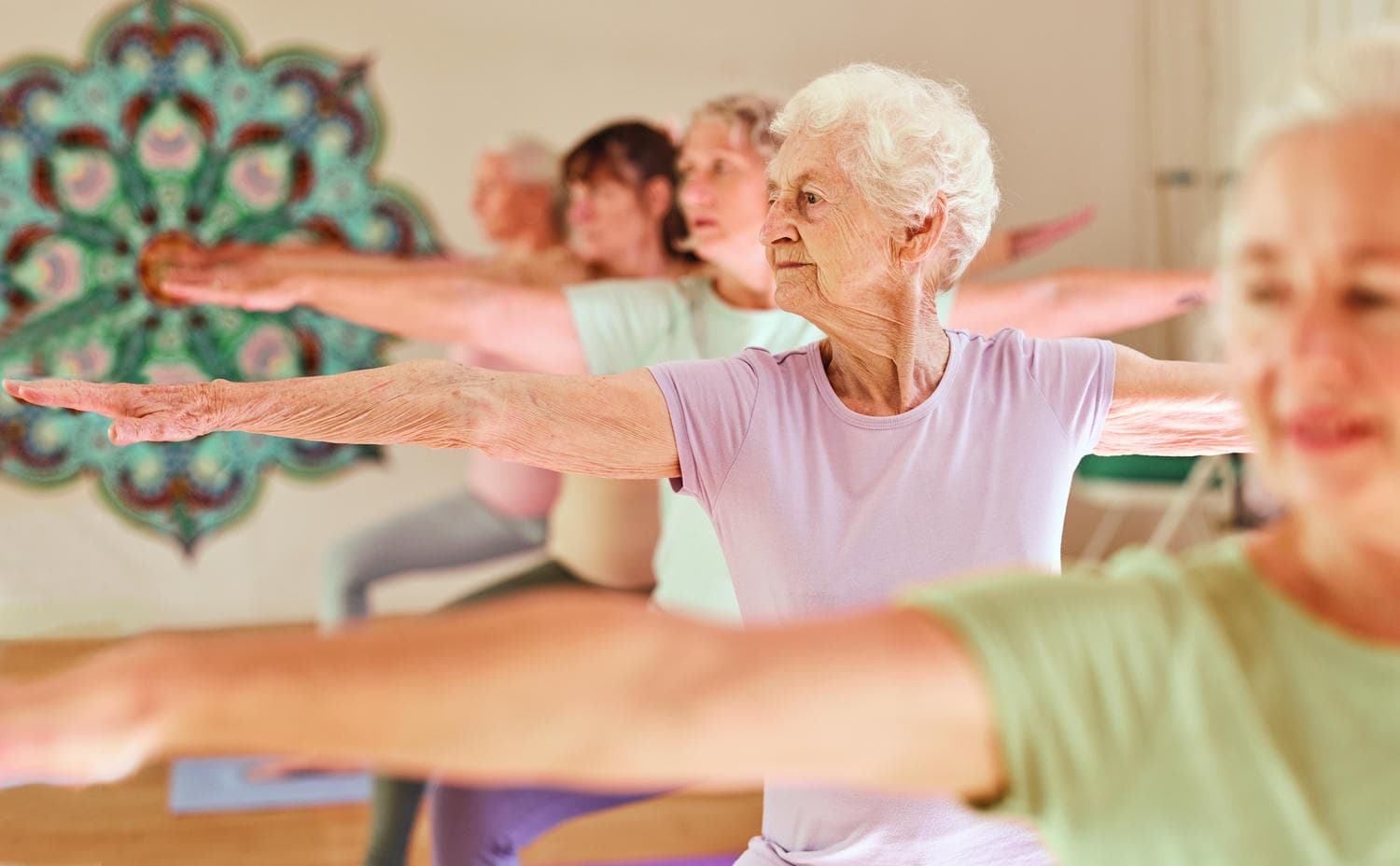
However, to reap the benefits of exercise in the ways above, it must be done regularly. Light physical activity, such as tai chi, birdwatching, walking groups, fitness classes like water aerobics, or a combination of all of these, is an easy, effective way to stay active in retirement.
Provides Sense of Fulfilment
Hobbies that leave you with something tangible at the end, such as knitting or even birdwatching, provide not only a meaningful sense of purpose after retirement, but a sense of fulfilment, as they offer a clear, rewarding answer to the question, ‘What did I achieve today?’
Whether it’s a handmade scarf or a completed birding log, the ability to point to a finished project and say ‘I did that’ is a practical source of fulfilment, providing the concrete evidence of productivity that many miss after leaving the workforce.
How and Where to Start – 4 Tips for Starting Hobbies in Retirement
Starting a new hobby in retirement can be daunting; after all, change can be scary. However, the benefits of trying new hobbies, as we’ve talked about above, far outweigh the initial sense of apprehension and uncertainty you may feel when you first step out of your comfort zone.
For this reason, we’ve come up with a few tips to help you when you don’t know how to choose or start a new hobby.
Join A Social Club
Joining a social club, whether within your retirement community or the community at large, is an easy, low-pressure way to get started on a new hobby and add structure to your daily routine. Social clubs are also a great place to meet and build community with other individuals who share similar interests.
The important thing to note here is that you don’t have to be a “social butterfly” to join and get the most out of it. You just have to have a keen interest in the activity and an openness to connecting with like-minded individuals.
Reflect on Past Interests
Most of us can point to an interest we genuinely enjoyed but never had the time to pursue properly, whether that’s gardening, painting, or learning a new language. Usually, the reasoning behind not getting started was that there just weren’t enough hours in the day to get past the beginner stage, what with a busy career and family always taking priority.
The great news is that retirement finally clears the schedule, giving you both the time and headspace to focus on yourself and your interests. So now that you have the time, start reflecting on your past interests by looking back at projects you started years ago but never finished. Maybe there is a specific skill you have always admired in others but haven’t had the energy to learn on your own. Whatever it is, now is the time to move it from the back burner to your daily schedule.
Take A Leap & Try Something New
It may sound scary, but taking a leap of faith and trying something new really could be the change you need. Whatever has stopped you in the past shouldn’t stop you now. After all, what do you have to lose?
The reality is that the “risk” of trying a new hobby is incredibly low. If you pick up a paintbrush and realise you don’t enjoy it, the worst-case scenario is that you’ve spent a few hours learning what you don’t like. In retirement, you have the luxury of “trial and error” without the pressure of having to be productive or successful at everything you do.
Don’t Put Too Much Pressure on Yourself
The truth is, it’s okay to be a beginner. You aren’t doing this to get a promotion or to impress a boss; you’re doing it for yourself. If your first woodworking project is a bit lopsided or your first garden doesn’t yield a bumper crop, it doesn’t matter. The value is in the process, the concentration required, the new things you’re learning, and the way it fills your day.
If you find yourself getting frustrated, take a step back. A hobby should be a choice, not a chore. If a specific activity feels more like “work” than “play,” give yourself permission to slow down or even try something else. You have the time now to get it wrong until you get it right.
Discover a Renewed Sense of Purpose at the Village Retirement Group
At The Village, we understand the benefits of hobbies in retirement. Transitioning into this new chapter is the perfect time to trade the “daily grind” for activities that actually interest you. We provide the space, the equipment, and the community so you can focus on the activity itself without the hassle of organising it all yourself.
Whether you’re looking to keep your body moving, sharpen your mind, or simply pick up a craft you’ve put off for years, our villages offer a structured yet relaxed environment to dive in.
Fun group activities and hobbies for retirees in our villages include, but are not limited to:
- Tai chi
- Lawn bowls
- Yoga
- Water aerobics
- Dancing classes
- Craft clubs
- Book club
- Trivia
- Choir
If you have any questions or would like to book a tour of one of our Villages, please don’t hesitate to contact our friendly team, and we’ll get back to you as soon as possible.