
As of the most recent ABS statistics (June 2024), over 40% of Australia’s population (including expatriates) aged 45 and above were retired, amounting to approximately 4.2 million people across the country.
For those overseas considering retirement here, these numbers highlight just how many people are navigating this stage of life in Australia. If you’re planning to join them, it helps to understand the key aspects of living here as a retiree. In this guide, we’ll cover everything, from practical matters like healthcare and pension options to lifestyle adjustments and the top retiree destinations, so that you can make the most informed decision.
Healthcare in Australia
Australia is recognised for its generally affordable and high-quality healthcare system. The foundation of this system is a publicly funded program, Medicare, which provides universal healthcare to Australian citizens, permanent residents, and some individuals with temporary visas from countries with whom Australia has reciprocal agreements (coverage is limited). These countries include New Zealand as well as several European countries, including the United Kingdom, Italy, the Republic of Ireland, and more.
Those with access to Medicare can access hospital care, subsidised GP and specialist visits, diagnostic tests, and PBS medicines. Those meeting income, age, and residency requirements may also qualify for the Commonwealth Seniors Health Card (CSHC), which offers cheaper PBS medicines and, in some cases, higher Medicare rebates. For those (including retirees) on temporary visas (who may not be able to access Medicare), it’s necessary to obtain private health insurance such as Overseas Visitors Health Care (OVHC) to ensure access to medical care and protect against potentially high healthcare costs.
It is also worth noting that, despite having access to universal healthcare, some Australians opt for private health insurance, which can offer additional benefits such as shorter waiting times for elective surgeries, a choice of private hospitals and specialists, and coverage for services not fully covered by Medicare.
Visa Pathways for Retirees in Australia
Those looking to retire used to be able to apply for the Retirement visa (subclass 410) or the Investor Retirement Visa (subclass 405), which allowed self-funded retirees to live in Australia temporarily while meeting specific financial and health requirements, with the possibility of eventually applying for permanent residency.
However, as part of the Australian Government’s 2018–19 Budget announcement, both visas were closed to new applicants, leaving only certain existing holders with eligibility to transition to permanent residency. As of right now (September 2025), Australia does not have an active retirement visa for new applicants. That means there is no visa specifically for retirees who want to move to Australia permanently (without family in Australia), just because they are retired.
The available current practical pathways for retirees (as of September 2025) include:
- Sponsored Parent (Temporary) Visa (Subclass 870)
- You must be sponsored by an Australian child who is a citizen or permanent resident.
- This visa is temporary (3-5 years) and does not lead to permanent residency.
- Parent Pathways (Permanent Residency)
- Parent Visa (Subclass 103) or Contributory Parent Visa (Subclass 143).
- Only for retirees who have children in Australia who are citizens or permanent residents.
- Can lead to permanent residency.
This information is not extensive, and we recommend heading to the Home Affairs website for more details.
Navigating Pension Options in Australia
A key factor you need to consider when retiring in Australia is how you’re going to fund it, because we all know that as we age, our living expenses, healthcare needs, and lifestyle expectations don’t disappear, and having a solid plan ensures you can enjoy retirement with peace of mind.
There are several ways retirees in Australia fund their retirement, and one of the most common is the Government Age Pension. In fact, in 2023, approximately 92% of older Australians receiving income support relied on the Age Pension. To be eligible for the Age Pension in Australia, you must be an Australian citizen or permanent resident and have lived in Australia for at least 10 years, including at least five continuous years immediately before applying.
Those who have worked in Australia will also have access to their superannuation once they reach their preservation age (not pension age). For expats who have worked abroad before moving to Australia, they may also be able to combine their overseas super or pension entitlements with their Australian super, depending on bilateral agreements between countries.
In addition to these options, some Australian retirees generate extra income from personal savings, property rental income, and other investments, such as shares, term deposits, or managed funds. Some may even take out private pensions or annuities, while others may choose to continue part-time work, the income from which may reduce their entitlement to the government Age Pension.
Lifestyle Adjustments For Expat Retirees
Many expats who choose to stay in or move to Australia for their retirement do so for several reasons, namely for the warm weather and generally laidback lifestyle. For this reason, we felt it was necessary to highlight some of the practical adjustments and everyday differences they may encounter.
Etiquette & Social Norms
Australians are generally informal, friendly, and respectful, but there are a few cultural points to note:
- Calling people by their first names is common; titles like Mr/Mrs are rarely used.
- Handshakes are common greetings, whereas hugs are reserved for friends and family.
- Humour and sarcasm are commonly used, even in some work settings.
- Swearing is more casual and frequent than in some cultures, but context matters.
- Splitting the bill is common when sharing dinners out.
- Tipping is not a strong cultural expectation because wages are higher.
- Sporting culture is huge – both on a community and nationwide scale.
- BBQs and informal social gatherings are a big part of social life
- If invited to someone’s home, it is polite to bring a plate.
- Strong cultural emphasis on work-life balance and spending time outdoors.
- The UV is extremely strong, and sun safety is strongly encouraged.
- Shops and cafes close earlier than in parts of Europe and the US.
Popular Activities & Hobbies Among Retirees
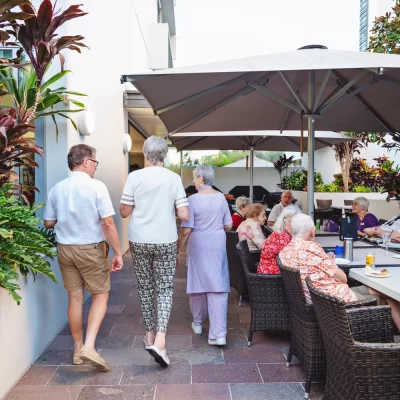
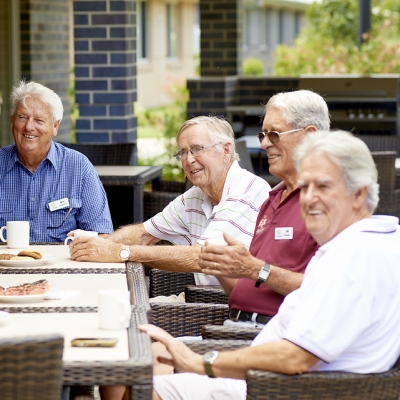
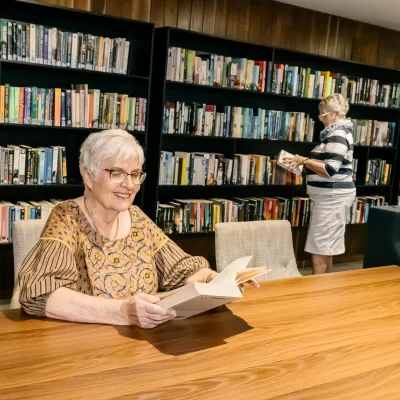
Retirees in Australia lead a relatively active and social lifestyle, enjoying a mix of outdoor, sporting, and community-based activities, such as bushwalking, birdwatching, golf, surfing, swimming, and more. Many seniors stay connected with other like-minded individuals by engaging in hobbies and social activities together. This can include everything from arts and craft classes, clubs, volunteer work, and fitness groups, just to name a few.
In fact, most suburbs, and even community centres and retirement villages, will run local senior community groups and programs, which are a great way to meet new people, stay active, and take part in shared hobbies.
Weather
NSW experiences four pretty distinct seasons. However, due to the size of the state, climate conditions can vary significantly from region to region. For example, regions higher up, such as the Northern Rivers, experience warmer temperatures than the southernmost parts of NSW.
Queensland, on the other hand, experiences a pleasant subtropical climate with warm (though occasionally wet) summers and mild winters. Similar to NSW, the weather can vary based on the region, with more coastal areas such as Brisbane, the Gold Coast, and the Sunshine Coast being the perfect example of this. More inland regions, on the other hand, are often hotter and can be wetter as well.
In contrast, you’ll notice a distinct difference between these northern states and others like Victoria, Tasmania, and South Australia, which experience milder summers and cooler winters. Victoria specifically experiences pretty unpredictable weather with sudden temperature changes and frequent rainy days.
Top Places to Retire in Australia
When looking for a place to retire, seniors typically consider several factors, including a pleasant climate, access to quality healthcare services, affordability of housing and living expenses, proximity ot family, and the quality and amount of lifestyle amenities such as shops, cafes, and cultural events.
Several locations comfortably meet this criteria, including Echuca, the Hunter Valley, Sunshine Coast, Mornington Peninsula, Esperance, Northern Rivers, Victor Harbour, and last but not least, Brisbane. All of these places boast not only stunning natural landscapes but also easy access to modern healthcare facilities and a wide range of community and recreational amenities that help make retirement comfortable and fulfilling.
For more information, check out our blog on the Best Places to Retire in Australia.
Housing Options for Retirees
In Australia, many retirees prefer to stay in the home they know and love, making a few tweaks here and there to keep things safe and comfortable. Others decide to downsize (buy or rent) into an apartment or smaller home, simply to cut back on upkeep and enjoy an easier lifestyle. Families of retirees with more significant health issues or limitations might opt for a residential aged care home so that professional support, medical care, and daily assistance are always close at hand.
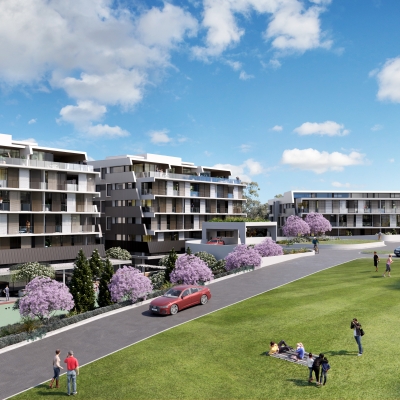
And in between these two options are retirement villages or over-55s communities, which strike a great balance between independence and support. They allow retirees to enjoy the privacy of their own home while also having access to shared facilities, organised activities, and a welcoming community of like-minded neighbours. Many people find this the perfect way to stay active, social, and connected without the stress of home maintenance.
At The Village Retirement Group, we’ve created communities across Brisbane that are designed to offer just that: beautiful homes, vibrant social spaces, and the peace of mind that comes from knowing support is available if and when you need it.