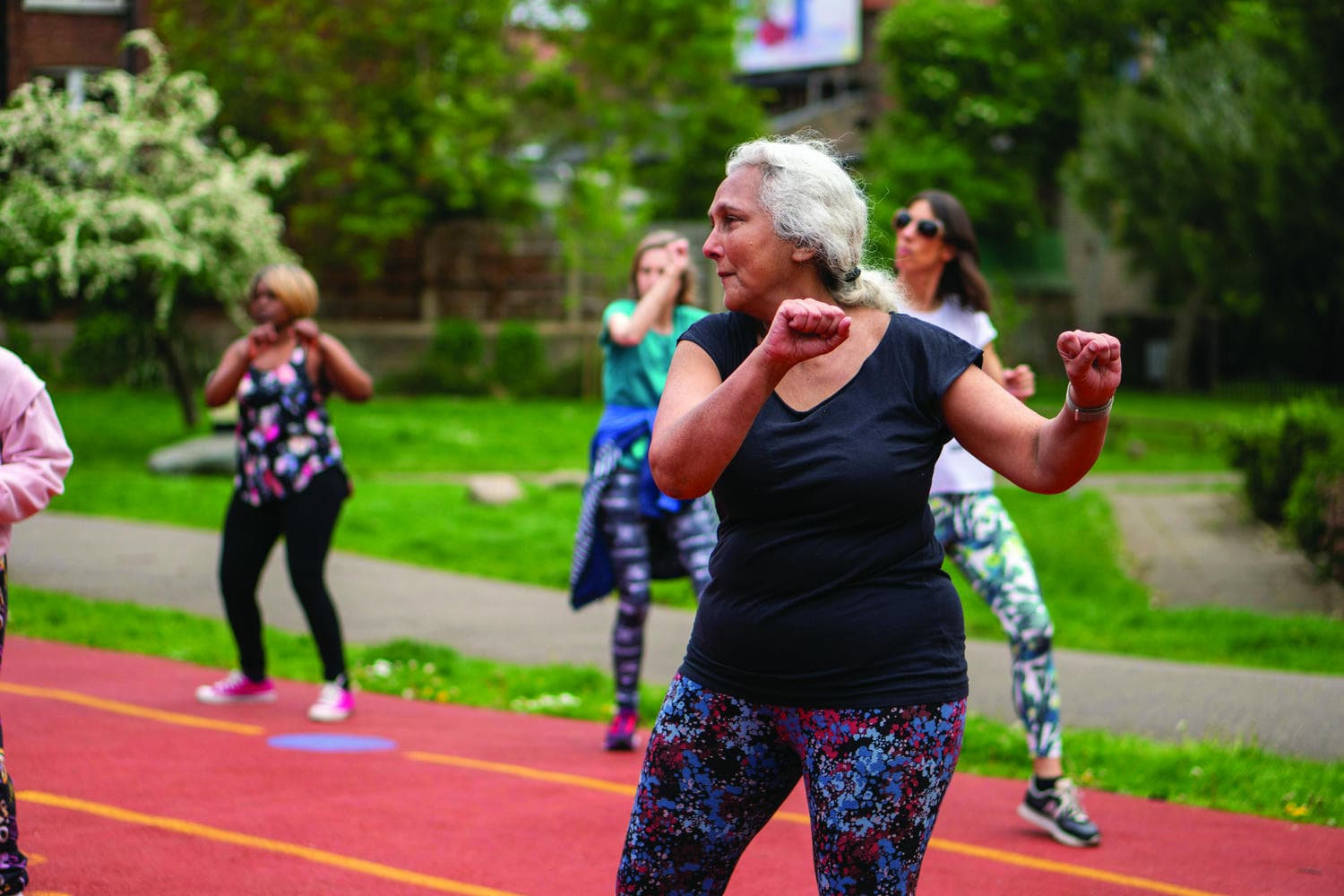
Looking after your bones is important at any age. However, it is particularly important for seniors so as to reduce the likelihood of falls and injuries and to remain healthy, independent, and mobile.
Why? Because as we age, a range of natural processes occur that reduce bone density and leave us at a higher risk of falls and conditions like osteoporosis and osteopaenia. While this may sound scary, there is a bevy of strategies you can enact now (it’s never too late) to look after your bones now and into the future.
Common Causes of Poor Bone Health
There are several factors that can increase the risk of poor bone health. However, it is important to know that some of these are modifiable.
- Lack of calcium in your diet
- Lack of vitamin D exposure
- Lack of physical exercise
- Smoking and excessive consumption of alcohol
- Chronic conditions, e.g., coeliac disease, diabetes, and kidney/liver disease
- Unchangable risk factors
- Age
- Sex assigned at birth
- Genetics
- Race
- Body frame size
Why Bone Health Matters As You Age
Have you ever realised how seniors experience falls more than the average adult? Maybe you’ve experienced one yourself, or perhaps one of your loved ones has? Regardless, you’re not alone. In fact, according to Health Direct, approximately one in four people aged 65 or older will experience at least one fall each year.
There are plenty of reasons why this happens, and most are part of the normal ageing process, such as poorer eyesight, hearing loss, balance and stability issues, and loss of feeling in the lower extremities. Unfortunately, there isn’t a whole lot you can do to decrease your risk of falling, but you can reduce the effects of a fall.
This is where healthy bones come to the rescue, helping prevent serious injury and aiding you immensely during recovery, making the process less lengthy and less painful.
How to Improve Bone Health
There are both modifiable and non-modifiable risk factors when it comes to bone health, which means that while there are several things you can’t do anything about, there are also various lifestyle changes you can make today to support strong and healthy bones. We’ll explore how to take care of your bone health in depth below.
Engage in Bone Healthy Exercises
Engaging in exercise that places gentle stress on the body is one of the best ways to support healthy bones. Weight-bearing exercises like walking and dancing are particularly beneficial because they help maintain strong muscles and reduce the stress on your bones and joints over time.
Resistance and weight training are also among the best exercises for bone health, as they place positive stress on both muscles and bones. However, it is important to gradually increase the difficulty over time to avoid diving straight in and causing injury. Examples of these include lifting weights, using resistance bands, or even lifting your own body weight, which you do in both yoga and tai chi!
Eat For Bone Health
If you’ve ever wondered what foods are the best for bone health, almost every health professional and source available will tell you that the answer is calcium. In fact, one of the best things you could do for your bone health is eat a diet rich in calcium.
Calcium is the building block of healthy bones, combining with other minerals to form hard crystals that give bones their strength and structure. For older adults, according to Healthy Bones Australia, the recommended calcium intake is 1,300 mg, which is more than that of younger adults, as calcium absorption decreases the older you get.
Good sources of calcium include:
- Dairy products such as whole cream milk, cheese, and yogurt
- Leafy greens like kale, broccoli, and bok choy
- Fatty fish such as salmon and sardines
- Plant-based foods like tofu and soya beans
If you find it hard to meet your recommended daily intake of calcium, speak to your doctor about a calcium supplement.
Get Your Dose of Vitamin D
Vitamin D is also a vital component of healthy bones, as it helps the body absorb calcium more effectively. Without sufficient vitamin D, your bones and muscles may weaken as the body’s ability to absorb calcium and phosphorus decreases.
Fortunately for us Australians, the body’s primary source of vitamin D is sunlight exposure, which aligns perfectly with our outdoor lifestyle. However, you can also get a small amount of vitamin D through foods such as fatty fish, egg yolks, and cheese.
According to Health Direct, the recommended daily intake of vitamin D is 10 μg for adults aged 51-70 and increases to 16 μg for those aged 70+. If you’re worried you’re not getting enough vitamin D, don’t fret, simply head to the GP and ask for a blood test. If you are deficient, they may recommend a vitamin D supplement.
Review Your Medications
Some medications can interfere with bone formation and remodelling and also may potentially lead to osteoporosis, impacting bone health and increasing your risk of falls. Some of these medications include corticosteroids, proton pump inhibitors, selective serotonin reuptake inhibitors, and some cancer drugs.
If you’re taking any medication for an extended period, it’s worth checking in with your GP about its long-term effects on your bone health if it’s something you’re concerned about.
Limit Smoking & Alcohol Consumption
Recent research suggests that long-term smoking can lead to lower bone density, resulting in more fragile, fracture-prone bones as well as an increased risk of osteoarthritis.
Light to moderate alcohol consumption is considered okay; however, regular binge drinking has a similar effect on the bones to smoking, prohibiting the absorption of crucial bone-building nutrients and lowering levels of hormones crucial for maintaining bone building.