Your heart is quite literally keeping you alive, working hard to pump blood and oxygen to every part of your body. So for all its hard work, it’s only fair that you look after it with the care and attention it deserves, especially as we get older.
Maintaining good lifestyle habits can go a long way in supporting heart health, and for seniors who are at a higher risk of heart disease because of their age, even small, consistent changes can make a meaningful difference. Throughout this blog, we’ll explore five simple, practical tips that can help seniors take better care of their hearts and how we, at The Village Retirement Group, support a heart-healthy lifestyle.
Why Heart Health Matters More as You Age
Keeping your heart healthy is something we’re always told to prioritise, even more so as we age. And for good reason, as we get older, the heart and its surrounding structures naturally undergo changes that make us more at risk of cardiovascular disease.
While these changes are a normal part of ageing, they can impact everyday life, making daily activities more tiring and raising the likelihood of conditions like high blood pressure, heart attack, or stroke. And although these facts do sound scary, there is good news. With the right habits and education, you can keep your heart strong, supporting your overall well-being into your later years.
How to Improve Heart Health in Seniors
The key to looking after your heart as you age is about making healthy choices in terms of your lifestyle as a whole. Why? Although you can’t change your age, gender, or family history, you can control factors like your diet, activity levels, and how you manage stress, all of which have a direct impact on heart health.
Below, we’ve compiled five tips to support good heart health: designed for seniors, especially, but also for anyone looking to make more heart-healthy choices.
It should be noted that before implementing the lifestyle changes below, you should speak with your doctor first to confirm that they are appropriate for your individual situation and personal capacity.
Regular Physical Activity
You’re likely already aware of the heart health-related benefits of regular physical activity, and for good reason. Exercise helps strengthen the heart muscle, improve blood circulation, reduce blood pressure, and maintain a healthy weight, all key factors in reducing the risk of heart disease.
Now we’re not saying you should be running a marathon or lifting 20-kilo weights regularly, because, let’s be honest, that’s neither realistic nor anyone’s idea of fun. Instead, research says that a balanced mix of both mild aerobic activity and strength training is enough to make a difference in improving heart health.
Focus on mild aerobic (cardio) exercise as a priority; 30 minutes a day, on most days of the week, is a good goal. However, you can absolutely break it up into smaller chunks if needed. Some heart-healthy aerobic exercises for seniors are:
- Brisk walking
- Swimming or water aerobics
- Zumba
- Cycling
- Low-impact dance classes
- Gardening or active housework (e.g., vacuuming).
Undertaking strength or resistance training around 2-3 times a week is also beneficial for muscle growth and promoting a lean body composition, which also supports heart health. This can look like:
- Pilates classes
- Light hand weights
- Resistance bands
- Bodyweight exercises (wall pushups or chair squats
For more information about the benefits of exercise and how we support heart-healthy, active ageing at The Village, check out our blog, The Way to Wellness: Senior Fitness Classes at The Village.
Eat a Heart-Healthy Diet
We won’t go too much into it, because we cover it in our blog: Healthy Eating Habits for Optimal Aging: Nutrition Tips for Seniors, but we’ll still give you the headlines.
As we age, our dietary needs and priorities change, whether that’s needing fewer calories, more protein, or extra vitamins like calcium and B12. But one thing stays the same: eating a balanced, nutrient-rich diet plays a vital role in maintaining heart health as we age, especially in terms of managing cholesterol and blood pressure.
- Choose plenty of fruits, vegetables, and wholegrains
- Swap saturated fats for healthy fats
- Limit added sugars and salt
- Include a variety of lean proteins
- Opt for reduced-fat dairy
For more specific information about what a heart-healthy diet looks like, check out the Heart Foundation.
Quit Smoking
Everybody knows that quitting smoking at any age significantly improves one’s life expectancy, overall well-being, and heart health. But for seniors, avoiding smoking (both first and second-hand smoking) is especially important, because getting older naturally puts more strain on the heart, and smoking only makes that worse. Quitting gives the heart a better chance to stay strong and healthy. In fact, in the one year after quitting smoking, your risk of having a heart attack or stroke reduces by half!
Now, we understand that quitting smoking is far more easier said than done, which is why the Australian National Government has set up various over-the-phone and online support services such as Quitline, My Quitbuddy to help make quitting that little bit less stressful and more manageable.
Identify Stress Triggers and Adopt Healthy Coping Strategies
It may sound cliché that one of our top tips for maintaining heart health, especially for seniors, is to reduce stress, but it really is a factor worth thinking about. That’s because prolonged stress can cause changes in the body like higher blood pressure, faster heart rate, and increased cortisol levels, which, over time, may contribute to inflammation and plaque buildup in the arteries.
This might sound quite serious, but the good news is there are a few simple, effective strategies that can help you manage stress easily and in a way that supports your heart. These include:
- Staying socially connected with friends and family
- Moving your body gently and regularly
- Practising deep breathing and mindfulness
- Speaking with a counsellor
- Prioritising good quality sleep
Understanding & Controlling Cholesterol & Blood Pressure
Now, you may have noticed that we’ve already talked about cholesterol and blood pressure a whole lot, and rightfully so, they are key components that can support or place strain on your cardiovascular system, depending on how well they’re managed. It’s for this reason that we thought each deserved their own point.
Cholesterol and Heart Health
Cholesterol is a fatty substance found in your blood, and it comes in two main types: LDL, aka “bad” cholesterol, and HDL, aka “good” cholesterol. Increased LDL caused by diet, lack of exercise, and smoking can build up within your arteries, making it harder for blood to flow. HDL, on the other hand, helps remove LDL and reduces the risk of heart disease.
To reduce LDL and increase HDL, consider:
- Opting for healthy fats (polyunsaturated and monounsaturated)
- Increasing intake of fibre-rich foods
- Engaging in regular physical activity
- Quitting smoking
- Reducing trans and saturated fats (often found in packaged foods)
High Blood Pressure (Hypertension) and Heart Health
Hypertension is the medical term for high blood pressure. It means the force of blood pushing against the walls of your arteries is consistently too high, which places additional strain on your heart and blood vessels.
The condition can be influenced by both non-modifiable factors, such as age and genetics and modifiable lifestyle factors. While you can’t control your age or family history, you can control key lifestyle factors that have a big impact on blood pressure and overall heart health, including:
- Reduce salt intake
- Stay physically active
- Manage stress
- Manage alcohol intake and avoid smoking
How The Village Retirement Group Supports Active Ageing & Good Heart Health
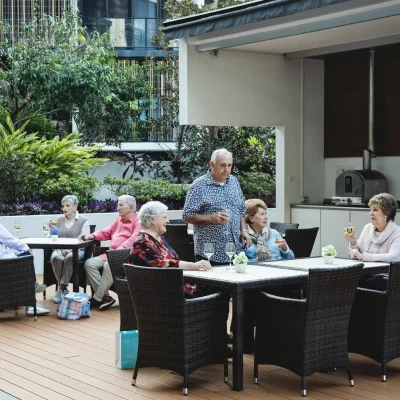
At The Village, we understand that our residents are at a higher risk of cardiovascular disease simply because of their age. Fortunately, our villages offer residents a catalogue of ways to reduce stress, engage in exercise, maintain good heart health, and improve their overall well-being.
- Easy access to GPs and a range of other healthcare and support services.
- There are plenty of opportunities to socialise and connect with other residents through hobby and music groups, craft and book clubs, board game and trivia nights, and more.
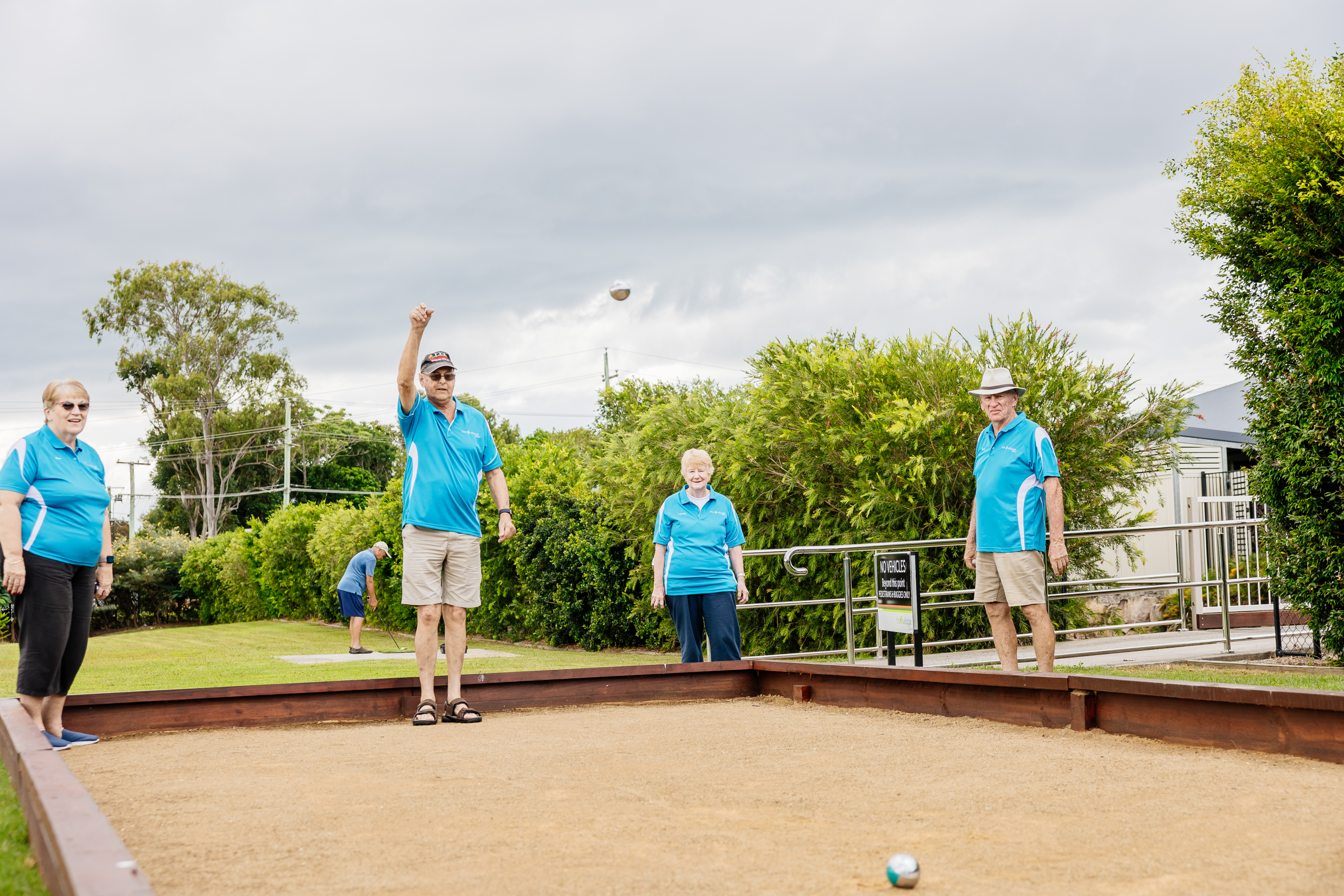
- A variety of on-site physical amenities and activities to support an active lifestyle, including a swimming pool, gym, lawn bowls, and group fitness classes like Pilates, yoga, tai chi, and aerobics (note: available facilities and programs may differ at each village).
For more information about how The Village supports healthy ageing, check out our blog: 7 Practical Tips for Supporting Active, Social Ageing in Seniors. Otherwise, if you have any queries or would like to enquire today about one of our villages, please don’t hesitate to contact us.