
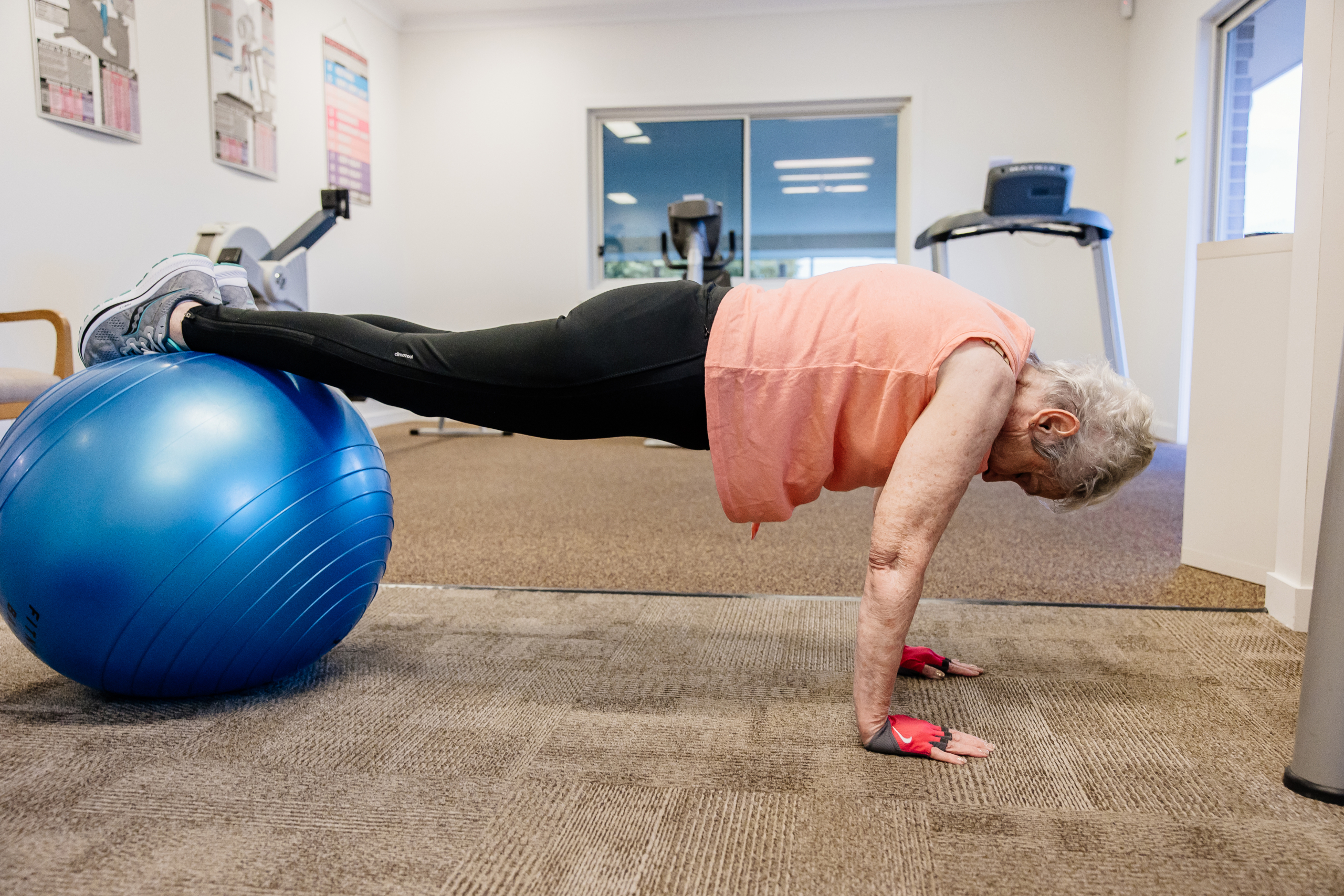
Resistance training (or, as some call it, strength training) is a highly versatile form of exercise that can be modified to suit any age or fitness level. In older adults, for example, resistance training is essential and plays a significant role in improving their physical and cognitive health.
For this reason, in this article, we’ll explore some of the benefits of resistance (strength) training for older adults, some example exercises you can try at home, and tips on how to get started so that you can stay strong, active, and independent for longer.
What Is Resistance Training and How Does It Differ From Strength Training?
While they are often referred to in the same vein, these two forms of exercise do actually differ. Resistance training refers to an overarching group of exercises that cause muscles to work against an external force, whether that force comes from resistance bands, weights, or your own body weight.
Conversely, strength training is a specific subset of resistance training, focusing on heavier loads for fewer reps rather than lighter weights for longer sets, which is more common in resistance training.
Benefits of Resistance Training For Older Adults
If you’re wondering why resistance training is so important for older adults, you aren’t alone. That’s why we’ve put together 6 key benefits of resistance training and how it can support strength, mobility, balance, and overall quality of life as you age.
-
Stronger Muscles = Slowed Progression of Sarcopenia
As we get older, our bodies undergo a completely natural process called sarcopenia, which begins at the age of 40 and accelerates after 60. Sarcopenia involves the gradual loss of skeletal muscle mass and, consequently, strength and function, leading to weakness, reduced mobility, and an increased risk of falls.
While sarcopenia cannot be completely reversed, its effects can be significantly improved through adequate protein intake and, more specifically, through exercise (especially resistance training).
But how does it work, in simple terms? Well, when muscles work against a force, for example, a dumbbell or a resistance band, it creates microscopic tears in the fibres, and sends ‘growth signals’ to your brain that the current muscle mass isn’t strong enough. In response, your body repairs those fibres to be thicker and denser, essentially telling your brain to recruit more muscle units to handle the load.
This is the ideal defence against sarcopenia, as it preserves the fibres that typically wither with age, signalling to your body to maintain and build strength rather than letting it waste away.
-
Stronger, Healthier Bones & Effective Management of Osteoporosis
Beyond building muscle, resistance training is one of the most effective ways to strengthen your bones. When you lift weights or use resistance bands, your muscles pull on your bones, creating a healthy amount of “mechanical stress.”
Your body responds to this stress by activating specialised cells that lay down new bone minerals, increasing your overall bone density. This process makes your bones thicker and less brittle, which is the ultimate defence against osteoporosis and age-related falls and fractures. Furthermore, by strengthening the muscles that support your joints, you create a natural “cushion” that protects your frame from the impact of daily life.
-
Improved Mood & Dementia Risk Reduction
We all understand the importance of exercise for our physical health, but did you know just how advantageous it is for our mental wellbeing and cognitive function?
In fact, research shows that people who regularly exercise have better levels of emotional and mental wellbeing. But how? Well, when you exercise, your brain releases ‘feel-good’ chemicals like endorphins and serotonin, which help reduce stress, boost mood, and promote a greater sense of happiness and relaxation.
Beyond improving mood, strength training specifically also plays a role in reducing dementia risk, as found in a recent study led by researchers at the University of Sydney. Their conclusion revealed that strength training (which involves weights or gym equipment) slows the shrinkage of specific brain regions, such as the hippocampus, which are typically vulnerable to Alzheimer’s disease.
-
Boosting Balance and Reducing Fall Risk
Strengthening key muscle groups (especially the legs and hips) as well as the body’s key stabiliser muscles (such as the core, glutes, and rotator cuff, etc.) helps improve stability and control during everyday movements such as walking, turning, and standing up. Stronger muscles also react more quickly to sudden changes in position, which can help prevent a stumble from turning into a fall.
It’s worth noting that resistance training also enhances coordination and body awareness, making it easier to maintain balance in uneven or unpredictable environments. Most importantly, resistance training can help counteract age-related muscle loss (sarcopenia) and conditions like osteopenia and osteoporosis, which we mentioned above and are major contributors to poor balance and increased fall risk.
For more information about fall prevention, check out our article: Mobility Tips for Seniors to Help with Fall Prevention.
-
Enhanced Independence & Increased Quality of Life
One of the main benefits of resistance training for older adults is that it helps maintain their independence for longer. By improving strength, mobility, and balance, it makes everyday tasks such as walking, getting out of chairs, carrying shopping, and climbing stairs easier and safer to perform. This reduces reliance on others and supports the ability to continue living independently at home.
Beyond the physical benefits, regular resistance training can also improve confidence and overall wellbeing. Feeling stronger and more capable in their ability to complete tasks often leads to greater participation in social activities, hobbies, and community life. Combined, these improvements contribute to a higher quality of life, greater self-sufficiency, and a more active, fulfilling ageing process.
Best Resistance Training Exercises For Older Adults
When designing a resistance training program for older adults, the key is focusing on safe, functional movements that mimic everyday activities. Below are some effective resistance training exercises for older adults:
- Wall pushups
- Bodyweight squats
- Seated leg raises
- Heel raises
- Stationary lunge
- Bicep curls
- Bent over rows
- Glute bridge
Resistance Training – How to Get Started Safely
Regardless of age, resistance training requires a considered approach to remain both effective and safe. Some key tips to get the most out of your resistance training workout are:
- Always warm up and cool down
- Start slowly and gradually increase intensity
- Use light weights, body weight, or resistance bands when starting out
- Seek professional guidance
- Prioritise form and safety, not how much you can lift
- Focus on consistency over intensity
- Fuel your body appropriately
Stay Active, Engaged, and Connected at The Village Retirement Group
At The Village, we’re all about healthy aging. In fact, it’s our middle name. Well, not really, but you get the point. What we mean is that every one of our retirement communities has been designed to give residents the best opportunity to live long, happy, and healthy lives.
From bowling greens to pilates classes, fully equipped gyms, indoor swimming pools, and just about everything in between, there are endless avenues to stay active and engaged every day. Not to mention our schedule of regular social events, including, but not limited to, book club, craft classes, choir, and more, ensuring your social calendar is as full as you want it to be, because life is more rewarding when it’s shared with friends.
If you or your loved one would like to check out one of our communities, please don’t hesitate to contact us to book a tour, and one of our friendly team members will be with you shortly.