If you suffer from joint pain or arthritis, exercise is probably the last thing you want to do. In fact, logically, you would think that exercise would make it worse.
But what if we told you that the reality is the opposite? That exercise, when done correctly, can actually be pain-relieving and helpful in managing various joint pain and arthritis symptoms.
We’ll dive into this a bit more below, exploring the causes of joint pain and the benefits of exercise, finishing off with a list of the best exercises for seniors who struggle with arthritis and joint pain.
Understanding Joint Pain and Arthritis in Seniors
Joint pain in seniors is extremely common, with the majority caused by either previous injuries or chronic conditions such as:
- Osteoarthritis (OA)
- Rheumatoid Arthritis (RA)
- Age-related wear-and-tear
- Gout
- Lupus
- Bursitis & Tendonitis
- Fibromyalgia
Does Exercise Improve Joint Pain in Seniors?
It may seem counterintuitive, but regular exercise is one of the most effective non-drug treatments for reducing joint pain and stiffness in seniors, offering a range of benefits, including:
- Strengthening Muscles Around Joints: Exercise strengthens our muscles, joints, and tendons, taking pressure off our bones and acting as a brace for our joints.
- Lubricating Joints: Exercising increases the production of synovial fluid, a natural lubricant for our bones that reduces friction between our bones, like oil in a car engine.
- Reduceing Inflammation: Long-term, regular exercise is an effective strategy to reduce inflammation as it promotes the release of anti-inflammatory cytokines in the body.
- Promoting Weight Management: Excess weight can put additional pressure on the joints, and regular exercise over the long term can contribute to weight loss, thereby relieving that pressure.
- Enhancing Range of Motion and Flexibility: Exercise isn’t just about strengthening your joints; it’s about ensuring they move freely without pain. Gentle stretching and flexibility exercises can reduce tightness and increase the joint’s range of motion.
Key Considerations for Managing Arthritis with Physical Activity
While the benefits of exercise offer great relief to seniors struggling with joint pain, there are several considerations to keep in mind to avoid worsening pain and inflammation (which can occur when exercise is done incorrectly). Such considerations include:
- Speak With a Doctor: If you struggle with joint pain or a chronic condition that impacts your joints, always speak with a doctor before engaging in physical activity, especially if you’re unsure where to start.
- Keep It Low-Impact: To avoid placing too much stress on the joints, choose low-impact exercises.
- Build Up Intensity: Ensure exercises are slow and gentle in the beginning, and build up intensity as your body gets used to moving regularly.
- Use Heat Beforehand: ALWAYS warm up the body before exercising. This may involve using heat packs and doing a gentle warm-up before getting onto your main exercises.
- Ice Afterwards: Cold therapy is effective in reducing acute inflammation and swelling after exercising. Apply ice packs for 20 minutes after exercise or as needed.
Safe Exercises for Seniors with Joint Pain and Arthritis
If you’re a senior who struggles with joint pain but has heard of the benefits of exercise and wants to get started, you’ve come to the right place. We’ve come up with a range of safe, arthritis friendly exercises that help seniors get moving and reap the benefits of physical activity without placing undue stress on their joints.
Walking
Yes, you heard it here first. You don’t always need a gym membership or costly equipment to enjoy the benefits of exercising. Walking is an inexpensive, low-effort activity you can do almost anywhere, alone or with friends. Plus, when done briskly for over 15 minutes, walking offers plenty of benefits for your cardiovascular health, in addition to its positive effects on your joints!
We recommend walking with friends to stay motivated, or putting on your headphones, both of which are great mindfulness practices and good for your physical health.
Swimming and Water Aerobics
Exercising in water is one of the most effective forms of physical activity, especially if you struggle with joint pain, as the water provides gentle resistance and significantly reduces pressure on your joints, all the while allowing them to get stronger. It’s also a great aerobic activity that helps get your heart pumping, contributing to improved cardiovascular health.
Exercising in warmer water is even more beneficial, as higher temperatures help relax muscles and reduce stiffness, making exercising more enjoyable and less painful. You can do some laps on your own or join a water aerobics class if you require a little more guidance.
Resistance Training
Strong muscles help to support your joints by reducing pressure on your bones, which makes strengthening your muscles an integral part of a joint-friendly exercise regimen. In fact, research has shown us that people with arthritis can safely engage in strength training, with the exercise proving an effective means of preventing and even reversing muscle weakness.
Free weights, resistance bands, weight machines, and your body weight are all examples of effective training methods. However, it is always recommended to speak with a qualified health or exercise professional before engaging in any type of strength training if you suffer from joint pain or inflammation, to avoid making your condition worse.
Tai Chi
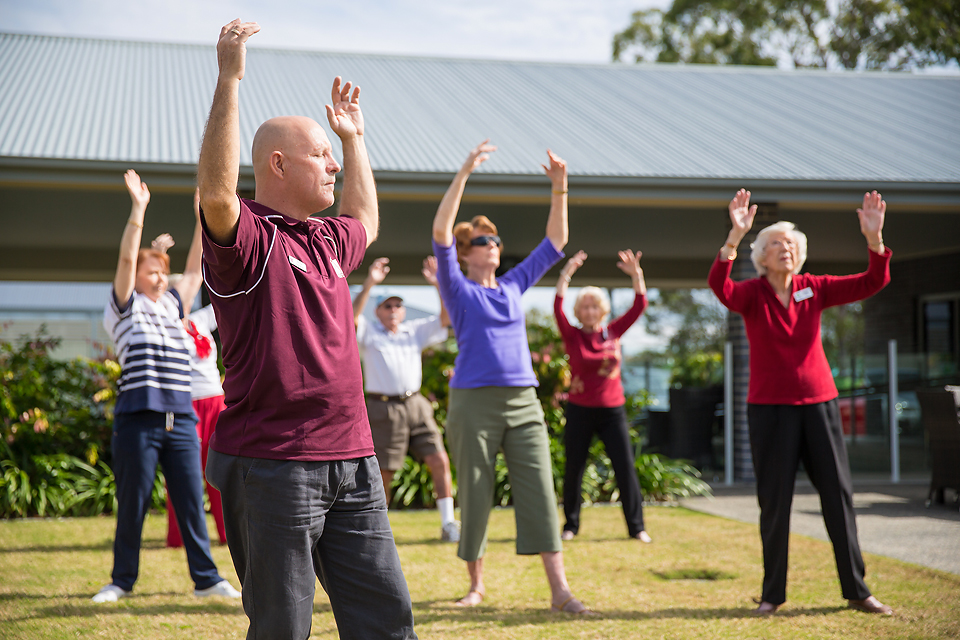
Tai Chi is an ancient exercise originating in China that started off as a form of combined martial arts. There are many variations of Tai Chi, but most forms today are characterised by slow, flowing movements and physical postures, controlled breathing, and a meditative state of mind.
It is a safe and beneficial balance exercise for seniors, as the repetitive, gentle movements that make up much of the practice help lubricate joints and strengthen muscles which improve balance and reduce the risk of falls. Not to mention, it is also a mindfulness practice, as you are encouraged to minimise external distractions, tune into your body, and focus on your breath.
Gardening
You might not think it, but gardening is an effective form of physical activity for seniors who struggle with joint pain. This is because the movements involved in activities like weeding, watering, planting, and digging all require you to move your body in different ways, which require significant effort.
Additionally, gardening is also great for the mind, as you get to spend time out in nature and reap the benefits of a thriving garden you grew yourself!
Yoga
Yoga is the perfect exercise for seniors who struggle with joint pain or arthritis, particularly because it is characterised by slow, low-impact movements. As you gently move from pose to pose, you are strengthening your core muscles and subconsciously working on your flexibility, balance, and coordination. It’s also a great mindfulness practice. Talk about hitting multiple birds with one stone!
If you struggle with joint pain, it’s important to let your teacher know so they can make the necessary adjustments.
Cycling
Cycling, whether on a stationary bike or a real one, just like swimming, is an ideal exercise for people living with joint pain. This is because it is incredibly low impact, taking much of the weight off your joints (particularly your knees and hips).
As you cycle, more synovial fluid is produced, which lubricates the joints and helps reduce pain and stiffness. Cycling also helps build muscle strength, particularly around the knees, hips, and glutes, which in turn supports balance and leg range of motion.
Seated Workouts
Seated workouts are a safe and easy exercise to do at home for seniors, as you only require a chair and potentially some hand weights or resistance bands. Not to mention, they are also an effective way to exercise if you can’t put weight on your lower body, making them accessible for individuals with mobility issues and those in wheelchairs.
Seated workouts also help individuals build cardiovascular endurance, strengthen muscles, and increase range of motion, particularly in the upper body.
Examples of common seated exercises:
- Upper body twists
- Resistance band rows
- Seated leg marches
- Seated cat-cow
- Seated lean backs
- Weighted bicep curls
How The Village Retirement Group Promotes Joint Health
At The Village, we know that joint pain and arthritis are conditions many of our residents struggle with daily. For this reason, each of our retirement communities provides residents with plenty of encouragement to stay active while supporting them if they experience chronic conditions, such as joint pain and arthritis.
This includes an array of arthritis and joint-friendly amenities and activities, including heated indoor swimming pools, water aerobics classes, and yoga and Tai Chi classes taught by experienced professionals. More than this, each of our villages is equipped with a specially designed seniors gym and an in-house physiotherapist to offer additional support in managing these debilitating conditions.
It’s our heartfelt belief that retirement is among the best years of your life, which is why we offer these services to help you stay active, engaged, healthy, and safe as you live out your golden years!
Find your nearest community today to learn more about what your retirement could look like, or contact us today to book a tour.